See how Scopic rebuilt a 25-year-old clinical desktop application from Microsoft MFC to Qt 6, preserving byte-for-byte patient-file compatibility and leaving clinical calculations unchanged before modernizing the interface.
28x+ faster
600+ engineering hours estimated vs. 21 hours spent
Byte-for-byte
Patient-file read/write compatibility
52 dialogs
100% of controls converted, 0 ambiguities
1,296
Automated checks at the end of the UI phase
"The toughest technical decision for us was architectural: rather than rewriting every
function across the codebase to remove MFC dependencies one by one … we built a
compatibility layer that replicated the core MFC classes the app relied on, letting the
surrounding code continue working largely unchanged while the framework underneath
was modernized"
Dr. Ceph is a cephalometric analysis application used by orthodontists to measure skulls from X-rays, trace anatomy, and simulate the outcome of jaw surgery.
Written around 2000 on Microsoft’s MFC framework, the application had become limited by a 32-bit architecture, a Visual Studio 2010 toolchain, and an aging UI framework. At the same time, it carried 25 years of patient records in a proprietary binary format that had to remain compatible with the modernized application.
Aging Technology Stack
The application was 32-bit only, tied to Visual Studio 2010, and built on MFC, making it increasingly awkward to run on current Windows and harder to maintain as the MFC talent pool shrank.
Patient-File Compatibility
Twenty-five years of patient records were stored in a proprietary binary format. The modernized application had to continue reading and writing those files without breaking compatibility.
Clinical Logic Preservation
Around 13,000 lines of medical and mathematical logic relied heavily on MFC data types, while the underlying clinical calculations had to remain unchanged.
Windows-Specific
The application also relied on Windows-specific integrations, including scanners, COM automation, dental-imaging software, and hardware-fingerprint licensing.
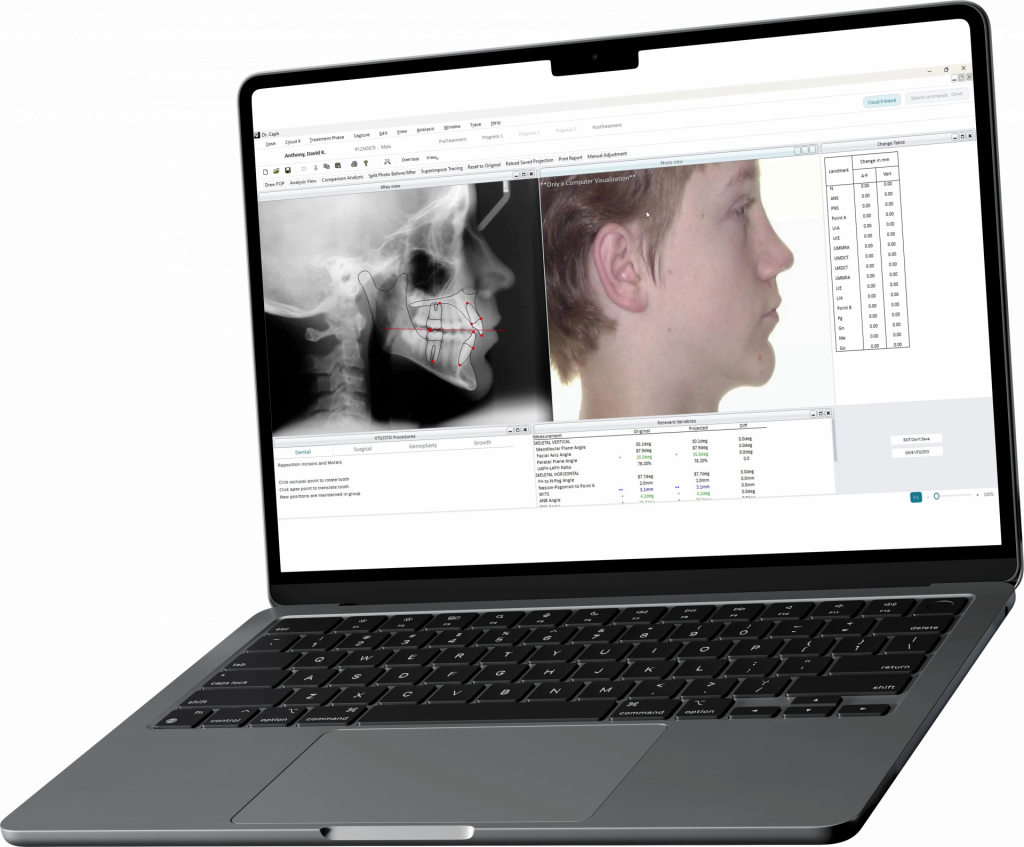
Dr. Ceph needed a modernization approach that could move the application onto a modern 64-bit foundation while preserving its existing behavior and patient-file compatibility.
The Solution
Scopic rebuilt Dr. Ceph on Qt 6.8 LTS in two disciplined phases. The first reproduced the
application’s existing behavior and patient-file compatibility on a modern 64-bit
foundation, while the second modernized the interface without adding or changing clinical
calculations.
Here’s how it works:
The original source folder was kept read-only while the modernized application was built alongside it, preserving the existing code as a line-for-line reference throughout the port.
Scopic created mfccompat, a roughly 4,000-line compatibility layer implementing only the MFC building blocks Dr. Ceph actually used. This allowed around 13,000 lines of medical and mathematical logic to move across essentially unchanged while supporting the existing file format.
MFC UI classes, including windows, dialogs, views, and frames, were rewritten in Qt rather than emulated. A converter also transformed 52 Windows dialog templates into Qt dialogs with 100% of controls accounted for and zero ambiguities
Compatibility was tested against the production case cabinet, including existing tracing, landmark, phase, X-ray, and encrypted case files. Independent review, method-by-method
comparison, automated checks, and machine-checked work markers were also used to identify gaps.
Before building the redesigned interface, each proposed control was classified as BACKED, DERIVED, or UNBACKED based on whether existing functionality supported it. The resulting UI reorganized the workspace and presentation while keeping the application's clinical logic unchanged.
Microsoft MFC
Legacy framework
Qt 6.8 LTS
Modern cross-platform UI toolkit
Visual Studio 2022
2022 compiler/toolchain used by the port
64-bit Windows
Target platform
Mfccompat
Custom MFC compatibility layer
The modernization approach was built around three key factors:
File-format compatibility was work package 01 and drawing fidelity was work package 03, with both proven working within the first two days.
The custom compatibility layer allowed around 13,000 lines of medical and mathematical logic to move across essentially unchanged.
The production case cabinet was used to verify compatibility, while automated checks, independent review, marker audits, and method-by-method comparison helped uncover missed work.
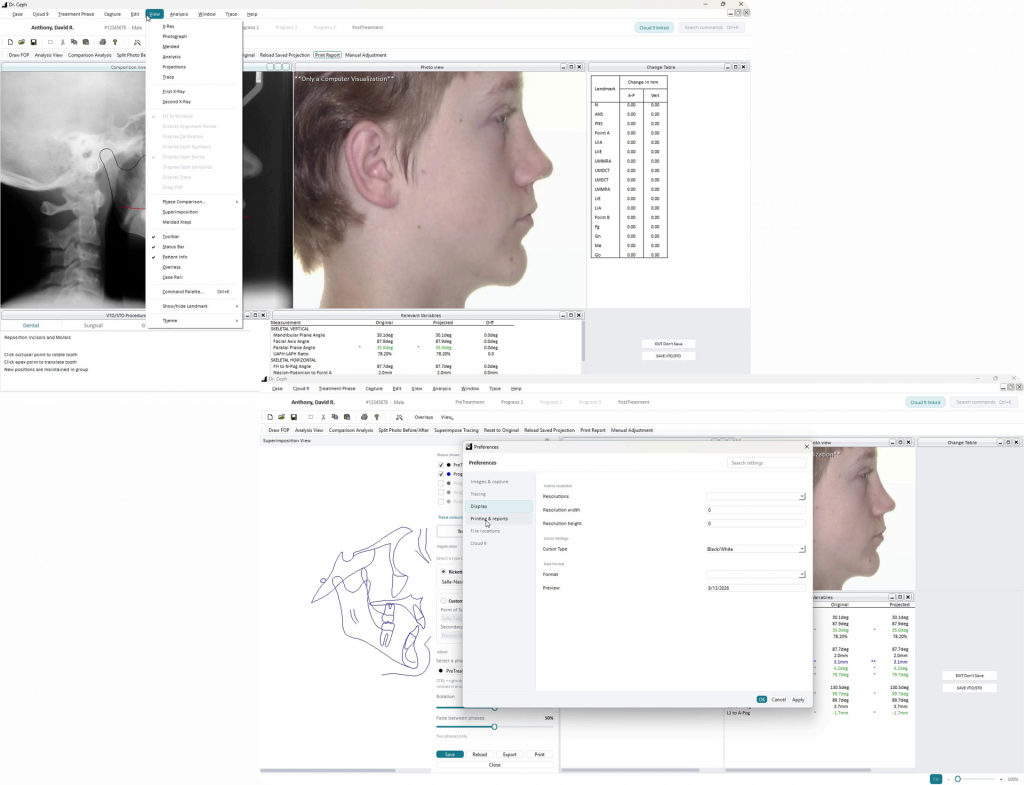
Four floating windows arranged by hand
Analysis shown as a monospace table with four numeric columns per row
Commands available through the menu bar only
Eight display toggles buried in the View menu
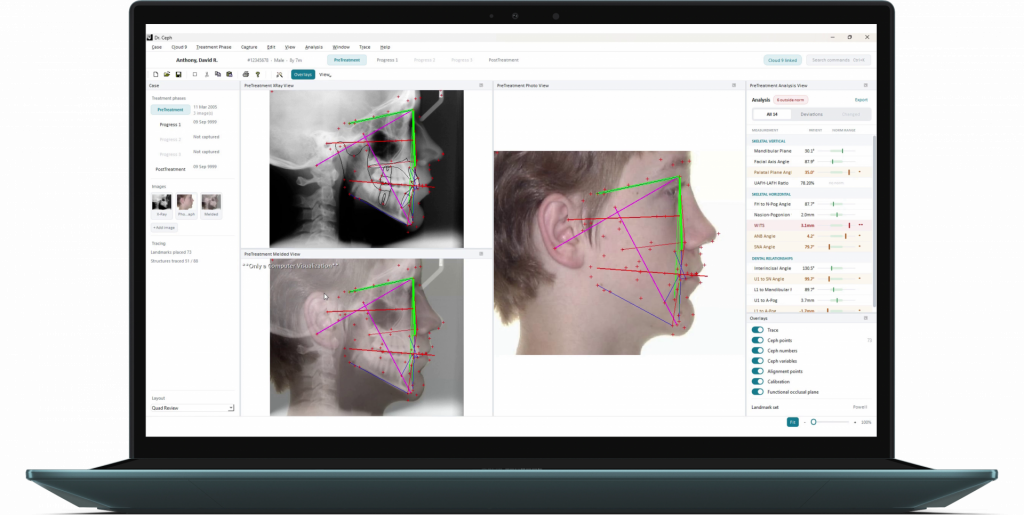
Docked workspace with a case rail, image quad, and analysis rail
Permanent analysis rail with norm-range bars and numbers moved to tooltips
Menu bar plus a Ctrl+K command palette using the same commands
Dockable Overlays panel with visible switch states
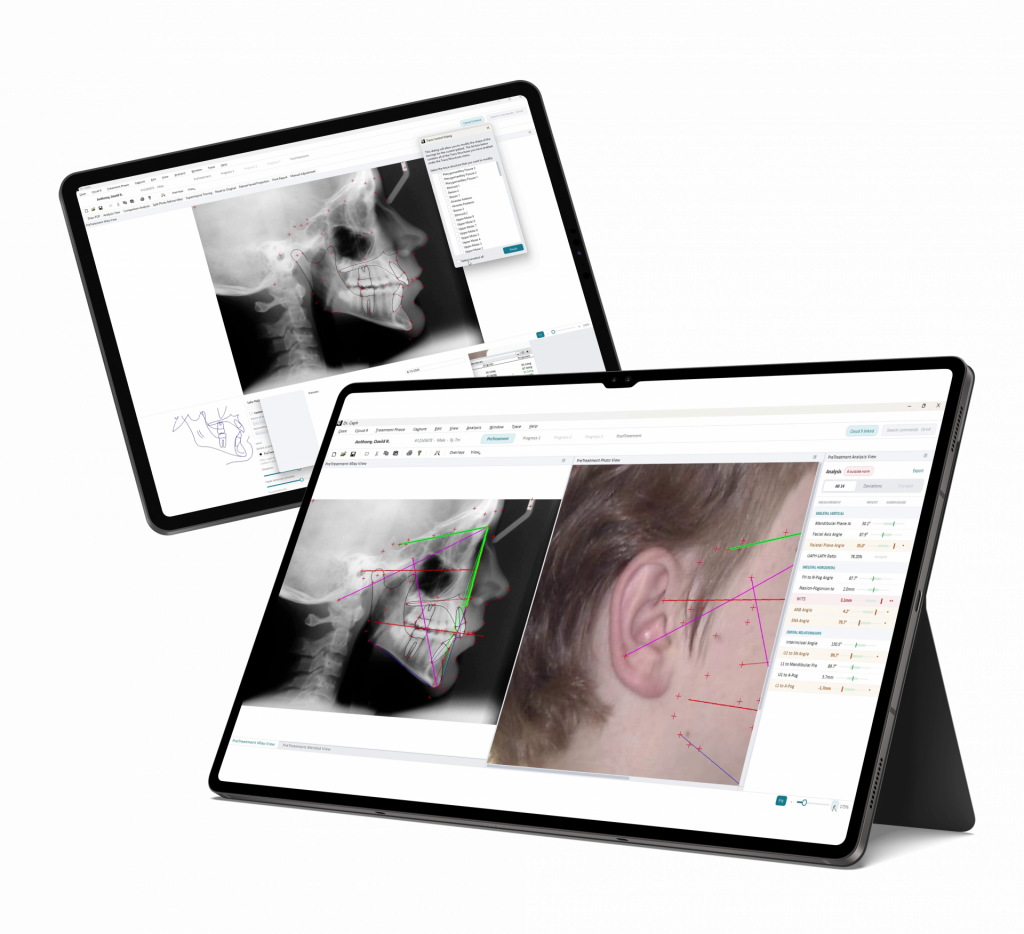
The redesigned interface reorganized how users work with Dr. Ceph while keeping the existing feature set and clinical calculations unchanged.
Dr. Ceph shows a path from an aging MFC stack to a modern Qt foundation while
preserving existing behavior and data compatibility.
Ready to discuss a legacy
modernization project with Scopic? Schedule a free consultation.
I’m Scopic’s AI-powered assistant. Ask me any questions you have about Scopic’s services, projects, technologies, and more!
Chat with meThe chat was closed due to inactivity.
Please refresh the page to use it again.
Hi there! Can I help you?